Carrying a Concealed Weapon

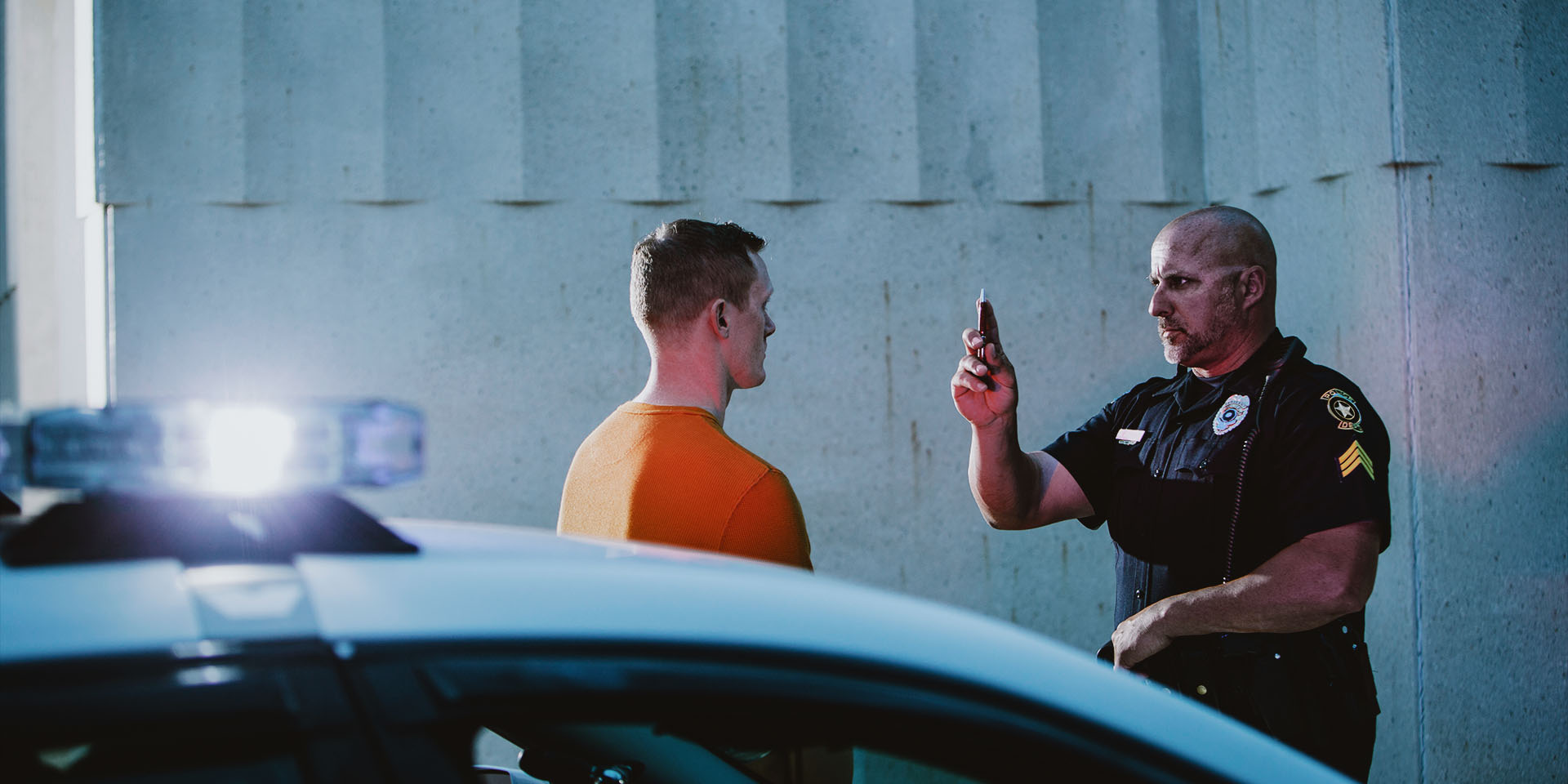
Many concealed weapon cases begin with ordinary situations: a routine traffic stop, a bag searched during an arrest for an unrelated matter, or a personal item discovered in the wrong place at the wrong time. What the accused sees as a tool or personal item may appear to police as a deliberately hidden weapon. Alberta law responds firmly to these situations, and a charge can have lasting consequences for your livelihood, mobility, and reputation, even when there was no threat or intention to cause harm.

Concealed Weapon Lawyers in Alberta

At Davidson Gregory, we defend clients facing concealed weapon allegations across Alberta, Western Canada, and the Northwest Territories.

Although the offence may sound straightforward, the Crown must establish specific elements, and in many cases hinge on misunderstandings about what qualifies as a weapon or whether concealment was deliberate. A concealed weapon charge is often laid in combination with other allegations, such as possession of a prohibited device or unsafe storage of a firearm.

What Is a Concealed Weapon Under Canadian Law?

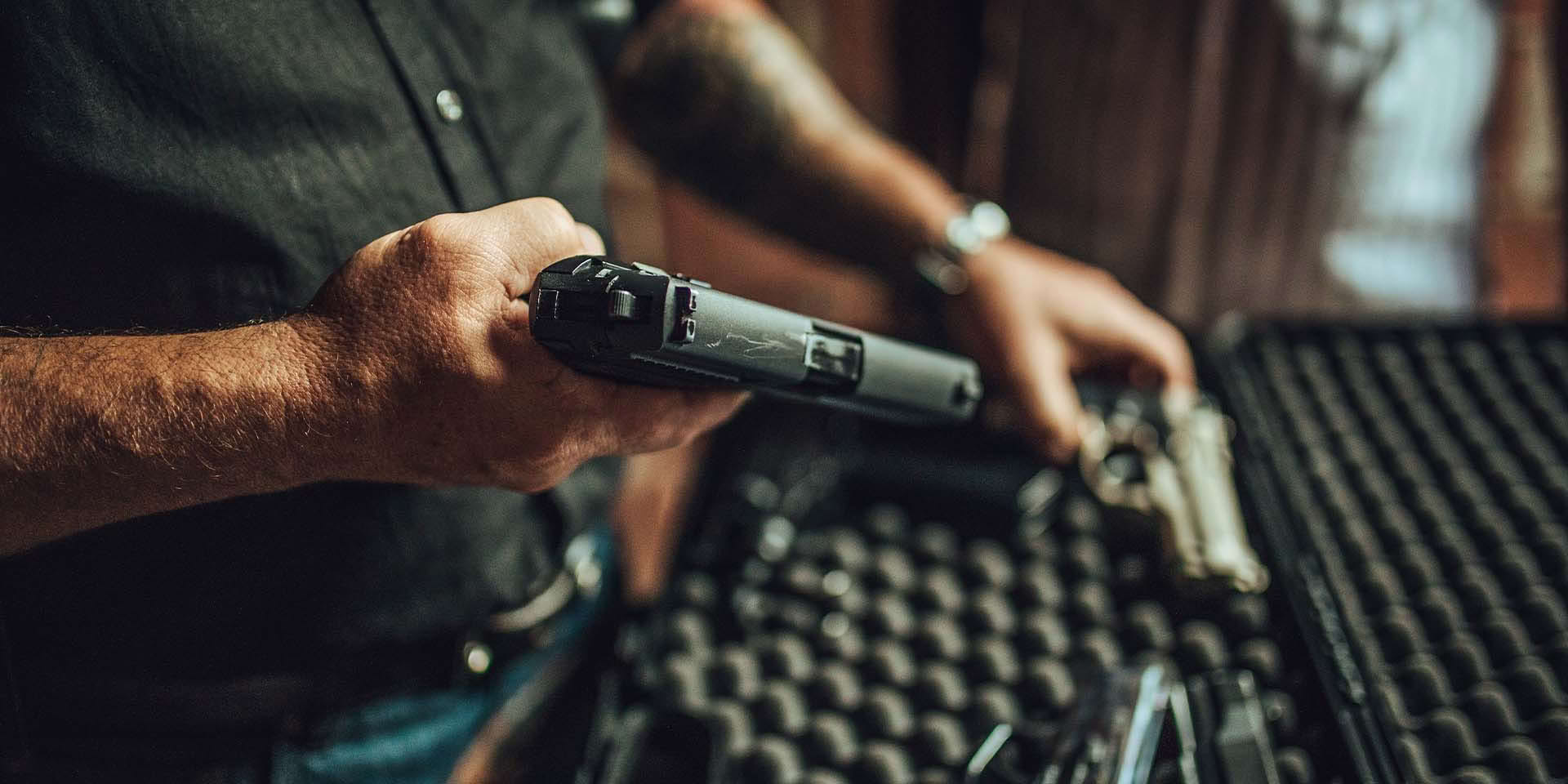
The Criminal Code defines a weapon as anything used, designed, or intended to cause injury, or anything that could be used to threaten or intimidate another person. This includes obvious items like firearms and knives but can also extend to objects such as tools or improvised devices depending on the circumstances.

A weapon becomes a concealed weapon when it is intentionally hidden from view. The concealment must be deliberate. For example:

  • Hiding a knife inside clothing or a waistband
  • Securing a weapon in a disguised container
  • Carrying a prohibited item in a way that prevents detection during normal interaction

It is important to remember that not every item that is simply out of sight will qualify. A forgotten knife in a backpack or a firearm stored openly in the trunk of a vehicle may not meet the concealment threshold. Each situation is assessed based on the location of the item, how it was stored, and whether steps were taken to hide it from others.

How the Crown Proves a Concealed Weapon Charge

To secure a conviction, the Crown must prove several elements beyond a reasonable doubt:

  • Possession: You had physical custody or control of the item
  • Weapon status: The item meets the definition of a weapon under the Criminal Code
  • Knowledge: You knew the item was in your possession and understood it could function as a weapon
  • Intent to conceal: You took meaningful steps to hide the weapon so it was not visible to others.

The intent requirement is often the most contested. Courts look at where the item was found, how it was stored, and whether any surrounding behaviour suggests concealment. This is why the context of discovery is critical and why early legal review can make a significant difference.

Common Scenarios for Concealed Weapon Cases

Police investigations often begin with a traffic stop, a report from the public, or the observation of suspicious behaviour. Officers may search a person or a vehicle if they have reasonable grounds to believe a weapon is present. In many cases, the legality of the search becomes a central issue.

Some common scenarios include:

  • Traffic stops, where police search a vehicle after observing something concerning
  • Public complaints, such as reports of suspicious behaviour
  • Police interactions related to unrelated investigations, noise complaints, or welfare checks
  • Airport or security screenings, especially when prohibited items are detected unintentionally
  • Domestic or interpersonal disputes, where weapons are discovered during a related investigation (link to Domestic Assault or Assault pages where relevant)


If police acted without proper grounds or failed to follow required procedures, the defence may seek to exclude the evidence under the Canadian Charter of Rights and Freedoms. Improper searches, detentions without cause, or overly broad investigative steps can significantly weaken the Crown’s case. These procedural issues often determine whether charges are dismissed, reduced, or withdrawn entirely.

If the search was unlawful, your lawyer may bring a Charter application seeking to exclude the evidence. For more detailed information, see our Search and Seizure page.

Penalties for Carrying a Concealed Weapon

Carrying a concealed weapon is a hybrid offence. The available penalties depend on whether the Crown proceeds summarily or by indictment.

When prosecuted by indictment, the maximum penalty is up to five years in prison. Even when the Crown elects to proceed summarily, the court may impose fines, probation, community-based sentences, or jail time, depending on the circumstances and the type of weapon involved.

A conviction can also trigger long-term consequences. Individuals may face a permanent criminal record, restrictions on owning or possessing firearms, and significant travel limitations. Employment opportunities that require background checks, security clearance, or work around vulnerable persons may also be affected. Even in cases where the incident was isolated or unintentional, the presence of a weapon and the allegation of concealment can carry serious weight in sentencing and future legal matters.

Defending a Concealed Weapon Charge

A strong defence begins with reviewing the circumstances of the search, the location and visibility of the item, and the Crown’s evidence regarding intent. At Davidson Gregory, we examine:


  • Whether the item legally qualifies as a weapon
  • How the weapon was discovered and whether police followed proper legal standards
  • Whether concealment was deliberate or simply the result of oversight
  • Whether the Crown can prove knowledge and intent, both of which are required for conviction


We also assess whether negotiation options such as diversion, a peace bond, or a conditional discharge may be available for individuals with no prior record. If the matter proceeds to trial, we present a clear, strategic defence.

Contact an Experienced Concealed Weapon Lawyer

Weapon-related charges carry serious consequences, and it is important to understand your rights before making decisions that could affect your future. Speaking with a criminal defence lawyer as early as possible allows you to respond strategically and avoid missteps that might limit your options later.


At Davidson Gregory, we have extensive experience in criminal law. We will provide clear guidance from the first consultation through to resolution or trial. Contact us today for an initial consultation.

Frequently Asked Questions

Is it illegal to carry any concealed weapon in Canada?

In most cases, yes. Civilians are generally not permitted to carry concealed weapons unless they fall within specific occupational or wilderness-related exemptions.

No. The offence focuses on possession and concealment, not on whether the weapon was used or intended for use.

It depends on how and where it was stored. A weapon in the trunk may not be considered concealed, while a weapon hidden within the passenger compartment may be.

The Crown must prove knowledge. However, courts evaluate this carefully, and the context surrounding the discovery is important.

Yes. Weapon-related convictions often result in travel restrictions, especially when entering the United States.

Sometimes. Depending on the facts, your lawyer may negotiate a diversion, peace bond, or conditional discharge. Early legal advice improves these options.

Request a Consultation

Criminal Defence Areas of Practice