Roadside Demands and Standardized Field Sobriety Tests
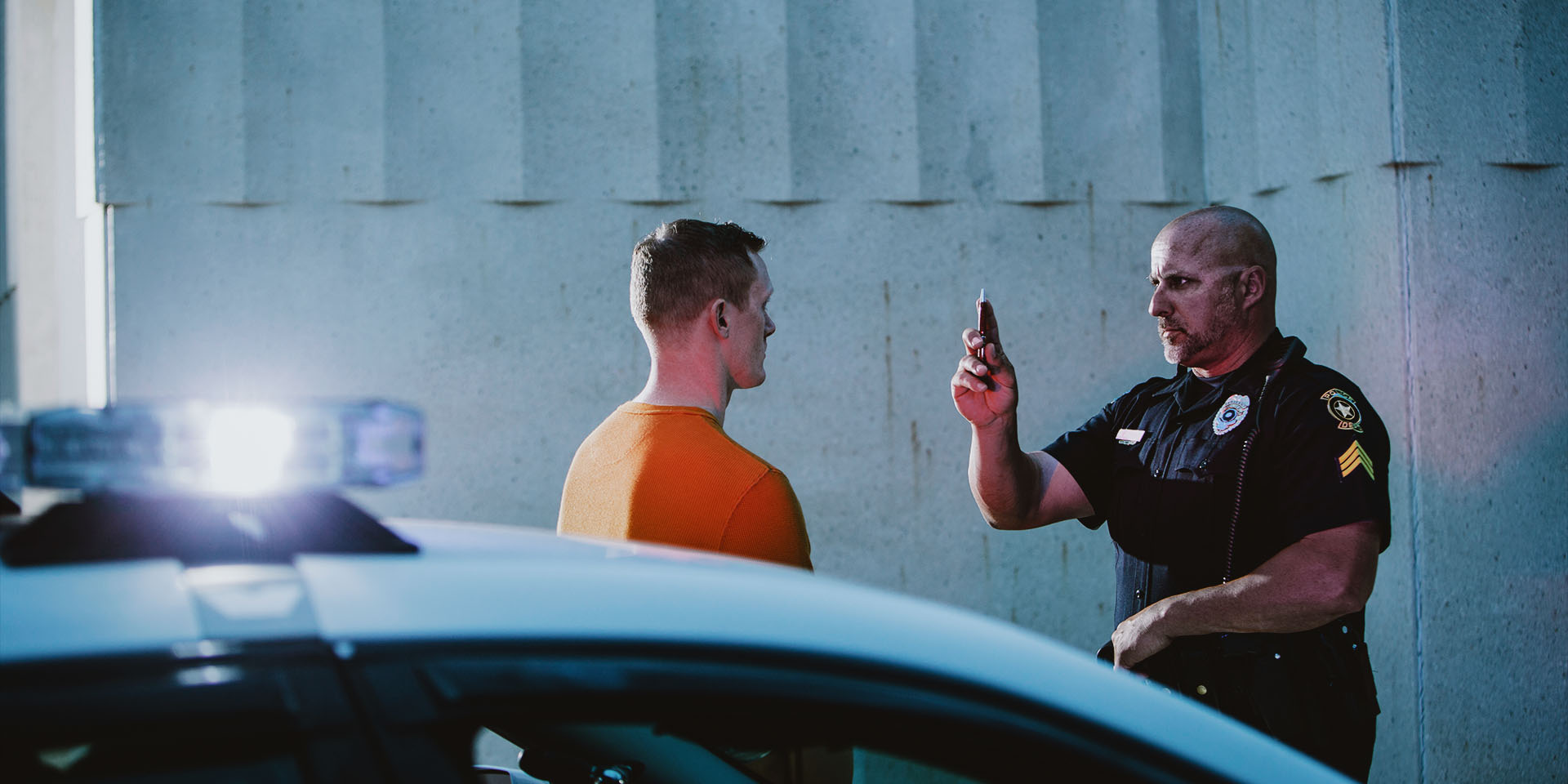
At the roadside, an officer who suspects drug or alcohol use can require a driver to perform standardized field sobriety tests, provide a breath sample, or provide a saliva sample. The standardized field sobriety tests were developed for alcohol detection, and their reliability for cannabis and other drugs is more limited. Many factors that have nothing to do with drug use can affect a driver’s performance on these tests.
Oral Fluid Screening at the Roadside
Approved roadside saliva-screening devices test for the presence of certain drugs in a saliva sample. The devices are screening tools, not measurement tools. A positive result tells the officer that THC or another drug is present in the driver’s saliva. It does not establish that the driver was impaired, and it does not establish how much of the drug is in the driver’s blood.
Drug Recognition Evaluation
If the officer has stronger evidence that the driver is drug-impaired, the Criminal Code allows for a more detailed evaluation by a specially trained officer, often called a drug recognition expert or DRE. The evaluation is a structured process designed to classify impairment by drug class. A DRE’s opinion can be presented in court as expert evidence, but it is not the final word.
Blood Demands and Lab Results
After the evaluation, if the officer believes the driver is drug-impaired, the officer can demand a sample of saliva, urine, or blood. Blood demands have their own legal requirements that police must follow.
The science behind drug testing has real limits, and a positive lab result does not always mean a driver was impaired at the time of driving.