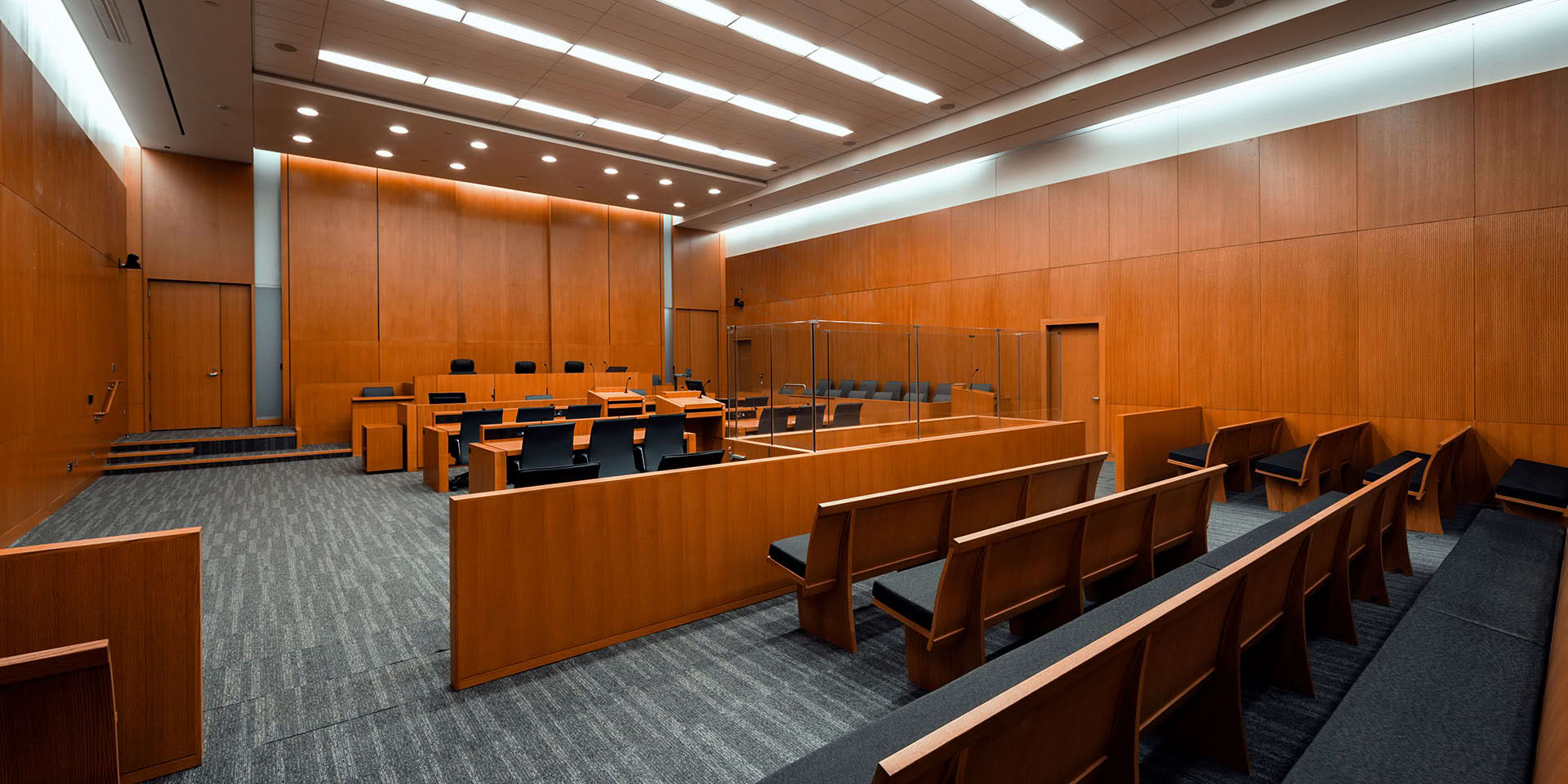
Criminal Defence Procedure

Being involved in the criminal justice system can be intimidating, especially if it’s your first experience. From the moment you are approached by police to the final stages of a trial, every step follows a set of legal procedures that protect your rights and determine the outcome of your case. Understanding how these stages work—from police questioning and charges, through court appearances, to the role of expert witnesses—can help reduce uncertainty and prepare you for what lies ahead.

WE’RE HERE TO GUIDE YOU THROUGH THE PROCESS

Guidance for Every Step of the Legal Process

At Davidson Gregory, we believe that knowledge is a powerful tool when facing the criminal justice system. That’s why we provide clear, straightforward information about what happens at each stage of a matter, from the first interaction with police, to court appearances, to the use of expert witnesses at trial. Our goal is to give you the clarity and reassurance you need so you can make informed decisions and move forward with confidence.

Dealing with the Police

We are oftentimes ill-prepared to speak with the police. They may seem cordial and unassuming, but this is largely a tactic used to determine whether they have reasonable grounds to arrest you in the moment, or in the hopes that you provide additional evidence in the future, even if you are innocent. Consult a criminal lawyer to know your rights before providing information to the police.


Your Right to Counsel

If you are arrested, you have the right to obtain counsel. In the event that you do not have a lawyer, the police are obliged to provide you with access to a free lawyer. These lawyers, although paid for by the state, do not represent the police, government, or victim(s) of the crime. Their legal advice is not recorded, and their assistance is confidential. A lawyer will advise you on your legal obligations with the police.

Criminal Proceedings

If you have been arrested under a criminal offence, the police have the option to release you without a bail hearing. Your release will be contingent on a promise to appear to a court date, and in most cases, to appear for fingerprinting. You may also be released on an undertaking, which is a signed document stating the conditions of your release.

Criminal Trials and Appeals

A criminal trial is conducted with or without a jury depending on the type and seriousness of the charge. A criminal appeal is the method to appeal a criminal conviction or an unfit sentence that an accused receives after a guilty plea or a trial.

Using Experts

In a criminal trial, the Crown prosecution and your lawyer may call witnesses to provide evidence. Most witnesses are ordinary individuals, but an “expert witness” is a someone with sharp knowledge on a particular topic who can assist the court in understanding a specific issue. An expert witness delivers a professional opinion, while all other witnesses are confined to relaying facts within their sphere of knowledge, observation and experience.

Criminal Defence Areas of Practice