Drug Impaired Driving

Being accused of drug-impaired driving is a serious matter. These allegations can lead to immediate licence suspensions, strict release conditions, serious fines, and the possibility of a criminal record. They can also damage your reputation, employment, and mobility, particularly if you rely on driving for work. At Davidson Gregory, we defend clients facing all impaired driving charges and also focus specifically on drug-impaired driving charges across Alberta, Western Canada, and the Northwest Territories. We understand the limitations of roadside drug testing, the scientific challenges surrounding THC detection, and how improper police procedure can undermine the reliability of the evidence.

Drug-Impaired Driving Defence Lawyers in Alberta

Drug-impaired driving is an offence under section 320.14 of the Criminal Code. The allegation carries consequences that can reshape your livelihood, your record, and your ability to drive. Legalized cannabis has not softened the criminal exposure. The Crown has multiple routes to a conviction, and the science behind drug detection is a long way from settled. That is the gap a serious defence works in.

Davidson Gregory has handled hundreds of impaired driving cases across Alberta, including drug-impaired and cannabis-impaired files alongside the alcohol-based regime. Our drug-impaired driving practice covers cannabis, prescription medication, and other drug allegations from the roadside investigation through trial. Reach us at 780-482-5496 or through our contact page. We act for clients in Edmonton, St. Albert, Calgary, Red Deer, Fort McMurray, and Grande Prairie, and surrounding communities.

How Drug-Impaired Driving Cases Are Investigated

Roadside Demands and Standardized Field Sobriety Tests

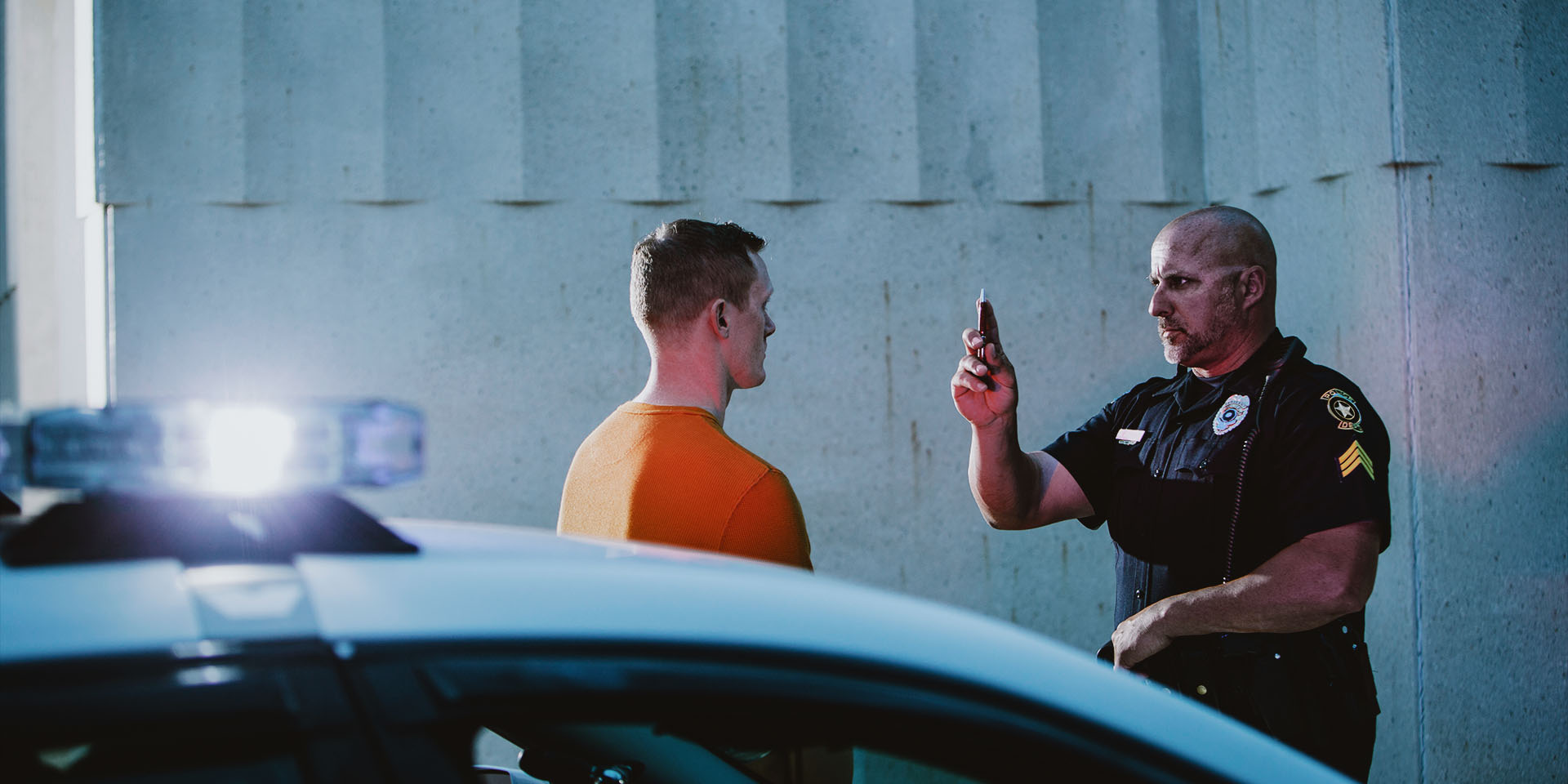
At the roadside, an officer who suspects drug or alcohol use can require a driver to perform standardized field sobriety tests, provide a breath sample, or provide a saliva sample. The standardized field sobriety tests were developed for alcohol detection, and their reliability for cannabis and other drugs is more limited. Many factors that have nothing to do with drug use can affect a driver’s performance on these tests.

Oral Fluid Screening at the Roadside

Approved roadside saliva-screening devices test for the presence of certain drugs in a saliva sample. The devices are screening tools, not measurement tools. A positive result tells the officer that THC or another drug is present in the driver’s saliva. It does not establish that the driver was impaired, and it does not establish how much of the drug is in the driver’s blood.

Drug Recognition Evaluation

If the officer has stronger evidence that the driver is drug-impaired, the Criminal Code allows for a more detailed evaluation by a specially trained officer, often called a drug recognition expert or DRE. The evaluation is a structured process designed to classify impairment by drug class. A DRE’s opinion can be presented in court as expert evidence, but it is not the final word.

Blood Demands and Lab Results

After the evaluation, if the officer believes the driver is drug-impaired, the officer can demand a sample of saliva, urine, or blood. Blood demands have their own legal requirements that police must follow.

The science behind drug testing has real limits, and a positive lab result does not always mean a driver was impaired at the time of driving.
How Davidson Gregory Defends Drug-Impaired Driving Cases

Davidson Gregory has the experience to test every stage of a drug-impaired driving investigation, from the initial stop through the lab results. We also look hard at the constitutional issues. The Canadian Charter of Rights and Freedoms protects drivers from unlawful police conduct, and where a Charter right has been breached, we apply to have the affected evidence kept out of court. In a drug case where the Crown’s case depends heavily on one piece of physical evidence, getting that evidence excluded can change the outcome.

Where the science is contested, we work with experts. We have the experience and the expert relationships these cases require.

Every drug-impaired file is prepared as if it will be tried. That is the only posture that consistently produces results, whether the case ends in trial, plea, withdrawal, or stay.

Common Situations That Lead to Drug-Impaired Driving Charges

Drug-impaired driving charges in Alberta arise in a broad range of circumstances. Some are dramatic. Many are not.

  • Routine traffic stops where an officer reports observing signs the officer associates with cannabis use, including odour, red eyes, or slow speech.
  • Cannabis consumption hours before driving where the user does not feel impaired but THC remains detectable on an oral fluid screen.
  • Edible cannabis consumed earlier in the day where impairment peaks well after consumption.
  • Prescription medication used as directed, including medications with sedating or impairing side effects.
  • Combinations of prescribed medications and over-the-counter products.
  • Combinations of alcohol and cannabis.
  • Collisions where police test for alcohol and drugs as a matter of course.
  • Traffic check stops where a positive saliva test leads to further testing.

Each of these scenarios has its own evidentiary profile. None produces a foreordained outcome.

Penalties and Collateral Consequences of a Drug-Impaired Conviction

Drug-impaired driving carries serious penalties under the Criminal Code. A first conviction carries a minimum $1,000 fine and a one-year driving ban. A second conviction carries a minimum 30 days in jail and a two-year ban. A third conviction carries a minimum 120 days in jail and a three-year ban. Certain circumstances, including driving with a child in the vehicle, driving for work, or driving a large vehicle, can push the penalty higher. The court cannot go below these minimums.

The consequences of a drug-impaired charge start at the roadside. Alberta’s SafeRoads program suspends licences and seizes vehicles separately from any criminal charges, with a hard seven-day deadline to apply for a review. Davidson Gregory regularly handles both at once. More information is available on our SafeRoads Alberta page.

A conviction creates a permanent criminal record, with consequences that can reach work that involves driving, professional licensing, immigration status, US travel, and insurance.

The federal ignition interlock program is only available for alcohol-related convictions, not for drug-impaired convictions. The difference can affect a driver’s options after a conviction.

Where We Serve

Davidson Gregory defends drug-impaired driving charges across Alberta. Our practice locations include:

We also act for clients in Sherwood Park, Stony Plain, Hinton, Jasper, and Lethbridge, and we take files in British Columbia, Saskatchewan, and the Northwest Territories.

Speak With Davidson Gregory About a Drug-Impaired Driving Charge

Drug-impaired driving files move on a clock. SafeRoads deadlines run on a seven-day window. Bail conditions and licence suspensions begin immediately. The earlier you call the experienced drug-impaired driving lawyers at Davidson Gregory, the more time we have to prepare your defence. Reach Davidson Gregory at 780-482-5496 or through our contact page. We act for clients in Edmonton, St. Albert, Calgary, Red Deer, Fort McMurray, and Grande Prairie, and across Alberta, British Columbia, Saskatchewan, and the Northwest Territories.

More information about the broader practice area is available on our DUI and impaired driving defence page.

Frequently Asked Questions About Drug-Impaired Driving in Alberta

Does a positive oral fluid test for THC mean I am impaired?

No. Roadside saliva-screening devices test for the presence of a drug. They do not measure impairment, and they do not establish how much of the drug is in the driver’s blood. A positive result tells the officer that THC or another drug is present. It does not tell the officer that the driver was impaired.

It is possible. Frequent cannabis users can carry detectable levels of THC in their blood for days or weeks after their last use, even when they are no longer impaired. Whether a charge actually proceeds depends on the timing, the lab results, and the rest of the evidence in the case.

The standardized field sobriety tests were developed for alcohol detection. Their reliability for cannabis and other drugs is more limited, and many factors unrelated to drug use can affect performance. How much weight a court gives the result depends on how the test was administered.

A medical cannabis authorization does not provide a defence to the legal limits set for drug levels in your blood. How a medical authorization affects a particular case depends on the facts, and is worth discussing with an experienced drug-impaired driving lawyer at Davidson Gregory.

No. A DRE’s opinion is one piece of evidence in a case, not the final word. It can be challenged at trial.

Outcomes depend on the specific facts of the case. Drug-impaired charges can be defended at trial, challenged through Charter applications, or in some cases resolved without a conviction. Predicting an outcome at the start is not realistic. What works is preparing every file as if it will go to trial.

A demand for a saliva, urine, or blood sample under the Criminal Code is a lawful demand when the legal requirements are met. Refusing to provide a sample is itself a separate criminal offence. Whether a particular demand was lawful is a question for the court to decide later, not a question to argue at the roadside. Anyone facing a demand should call a lawyer immediately.

Yes. SafeRoads Alberta is separate from any criminal charges. A SafeRoads suspension has its own seven-day deadline to apply for a review. Davidson Gregory regularly handles both at the same time so the SafeRoads side does not get overlooked while the criminal case proceeds.

Request a Consultation

Criminal Defence Areas of Practice